Container: Industry-Specific Trade Guides
Eight sectors, eight dedicated trade guides. Each profession has its constraints, standards, and optimal configurations — a reefer container in pharma does not have the same requirements as one for agriculture, and a construction site office is entirely different from a pop-up commercial store. Find yours below for tailored figures, regulatory obligations, and typical configurations.
Choose Your Sector
Each guide details configurations, prices, standards, and dominant use cases.
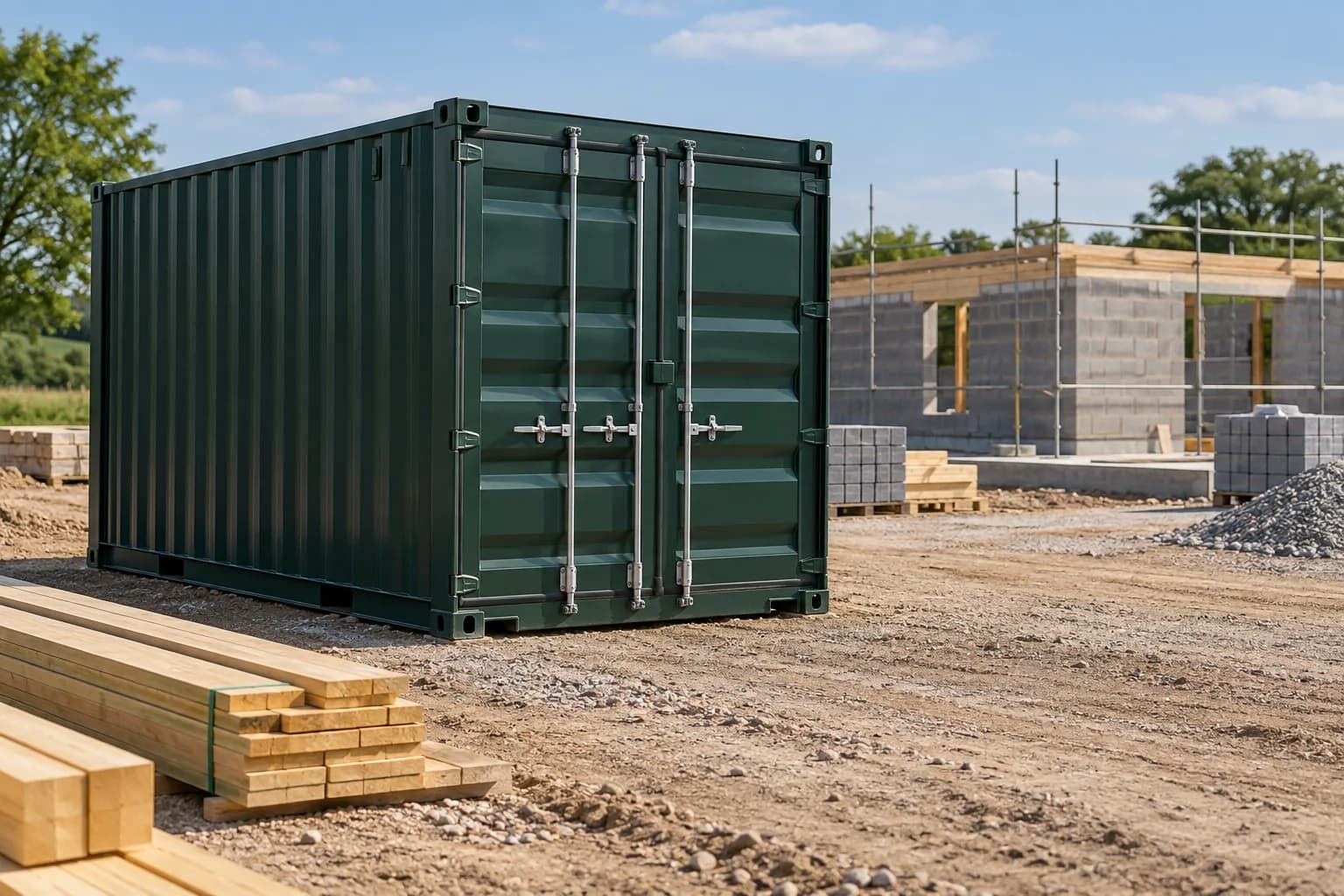
Construction & Building Industry
Welfare facilities suited to site needs, secure tool storage and configurations sized to the workforce.
View the Construction GuideLogistics & e-commerce
Warehouse satellite, seasonal peak back-up, multi-site pre-positioning. Cost per m³ vs traditional warehouse.
See the Logistics GuideEvent Management
Festivals, trade shows, film shoots, pop-up stores. Short-term rental, reefer + generator, brand fit-out.
See the Event Management GuideCatering Solutions
Fixed snack bar, food truck, event bar, kitchen extension. HACCP equipment, connections, standards compliance.
See the Catering Solutions GuideAgriculture
Harvest storage, cold chain for fruits & vegetables, seasonal equipment, input shelter. Reefer and dry containers.
See the Agriculture guideIndustry
Mobile workshop, cleanroom, spare parts storage, production line backup. Technical modules adapted.
See the Industry guideCommerce & retail
Pop-up store, temporary boutique, beach kiosk, mobile showcase. Visual identity and mobility.
See the Retail guideHumanitarian & NGOs
Rapid deployment in crisis zones, medical storage, mission logistics, emergency housing.
See the Humanitarian GuideWhy a specific guide for each sector?
The shipping container is an ISO standardised product — but its usage varies dramatically from one profession to another. A construction worker equipping a site cabin for 30 people has different priorities than a winemaker looking to protect their harvest during six weeks of grape picking, or a brand activating a pop-up store in Paris during Fashion Week.
In the United Kingdom, employers must provide welfare facilities suitable for the workforce, risks and site conditions: toilets, hand washing, drinking water, changing and rest facilities as required locally. Have the design checked by the site safety professional and competent authority. In the United Kingdom, prepare HACCP-based food safety procedures, training appropriate to staff duties, and the registration or approval required for the activity. Consult: local authority; Food Standards Agency / Food Standards Scotland. A container manufacturer cannot alone certify the compliance of the food business. Register the food business with the local authority at least 28 days before trading. Registration is free; some activities involving products of animal origin require approval instead. Staff must receive instruction and training suitable for their work. Consult the Food Standards Agency for England, Wales and Northern Ireland, or Food Standards Scotland; inspection and rating arrangements differ.
These guides help prepare requirements, procedures and questions for professionals. Figures are indicative model references unless expressly attributed to a dated source; this presentation promises neither an expert committee nor a fixed review schedule.
Typical sizing by sector
These configurations and budgets are indicative planning examples, not measured market averages. Adapt areas, equipment and costs to actual requirements and quotations.
| Sector | Typical number of modules | Dominant model | Budget project type |
|---|---|---|---|
| Average construction site | 2-6 modules | Long-term rental | £536 – £2,625/month |
| E-commerce logistics | 3-10 modules | Rental/purchase mix | £335 – £2,100/month or £100,406,250 – £63,000 |
| Event festival | 3-8 modules | Short-term rental (package) | £2,008 – £15,750 / event |
| Fixed snack catering | 1 module | Purchased with equipment | £16,734 – £73,500 |
| Agriculture harvest | 1-3 reefers | Seasonal rental (6-8 weeks) | £1,339 – £6,300 / season |
| Industry workshop/cleanroom | 1-2 modules | Custom fitted-out purchase | £16,734 – £157,500 |
| Pop-up store for retail | 1 module | Purchase or short-term rental | £10,041 – £73,500 or £536 – £2,100/weekend |
| Humanitarian mission | 5-20 modules | Fitted-out purchase + maritime | £26,775 – £525,000 depending on the mission |
Indicative budgets excluding land costs, excluding specific technical connections, and excluding international transport. For humanitarian missions, orders of magnitude vary greatly according to the scale of the crisis.
Frequently Asked Questions for all sectors
How to know which type of shipping container is suitable for my sector?+
Four questions to ask in order. (1) Required temperature: negative cold, positive, ambient? (dictates dry vs reefer). (2) Useful volume or surface area: 33, 67 or 86 m³? (dictates 20, 40 or 45 feet). (3) Duration of use: occasional, seasonal, permanent? (dictates rental vs purchase). (4) Final use: storage, habitation, commerce, workshop? (dictates dry standard vs converted). Our sector guides detail typical configurations for each case — click on your profession above.
Can a shipping container be rented for occasional needs in any sector?+
Yes, short-term rental (< 3 months) is available in all sectors. Rates are increased by 40-60% compared to long-term rentals, with delivery subject to supplier availability. Widely used in events (3-21 days), agriculture (6-10 weeks for harvests), construction industry (duration of the building site), pharma (backup punctual). Note: rental excludes structural modifications — for permanent interior conversion, purchase is mandatory.
How long does it take to deliver a container to a construction site or location?+
Delivery timing depends on stock, transport and site access. Confirm the date and charges for your address in writing; urgent service may involve a surcharge. Tell the rental supplier about access restrictions and agree on unloading equipment.
Are there specific certifications by sector?+
In the United Kingdom, employers must provide welfare facilities suitable for the workforce, risks and site conditions: toilets, hand washing, drinking water, changing and rest facilities as required locally. Have the design checked by the site safety professional and competent authority. In the United Kingdom, prepare HACCP-based food safety procedures, training appropriate to staff duties, and the registration or approval required for the activity. Consult: local authority; Food Standards Agency / Food Standards Scotland. A container manufacturer cannot alone certify the compliance of the food business. Register the food business with the local authority at least 28 days before trading. Registration is free; some activities involving products of animal origin require approval instead. Staff must receive instruction and training suitable for their work. Consult the Food Standards Agency for England, Wales and Northern Ireland, or Food Standards Scotland; inspection and rating arrangements differ.
How to compare quotes between sectors?+
Basic rates (purchase or simple rental of a dry container) are identical across sectors. What varies by sector: (a) added equipment (HACCP hood, cleanroom overpressure, pharma insulation), (b) typical duration (punctual event vs permanent logistics), (c) required certification. For a fair comparison: request a detailed quote line-by-line (base container, equipment, delivery, connections, certifications) — it is the standard on the UK market.
Your sector is not listed?
Simply describe your project in our form — our suppliers adapt.