Container for Agriculture
Harvest storage, cold chain for fruits and vegetables, securing inputs, processing workshop, livestock shelter: the container provides mobile, robust, and secure solutions to agricultural operations. Seasonal specifics and regulatory requirements.
The 3 main uses
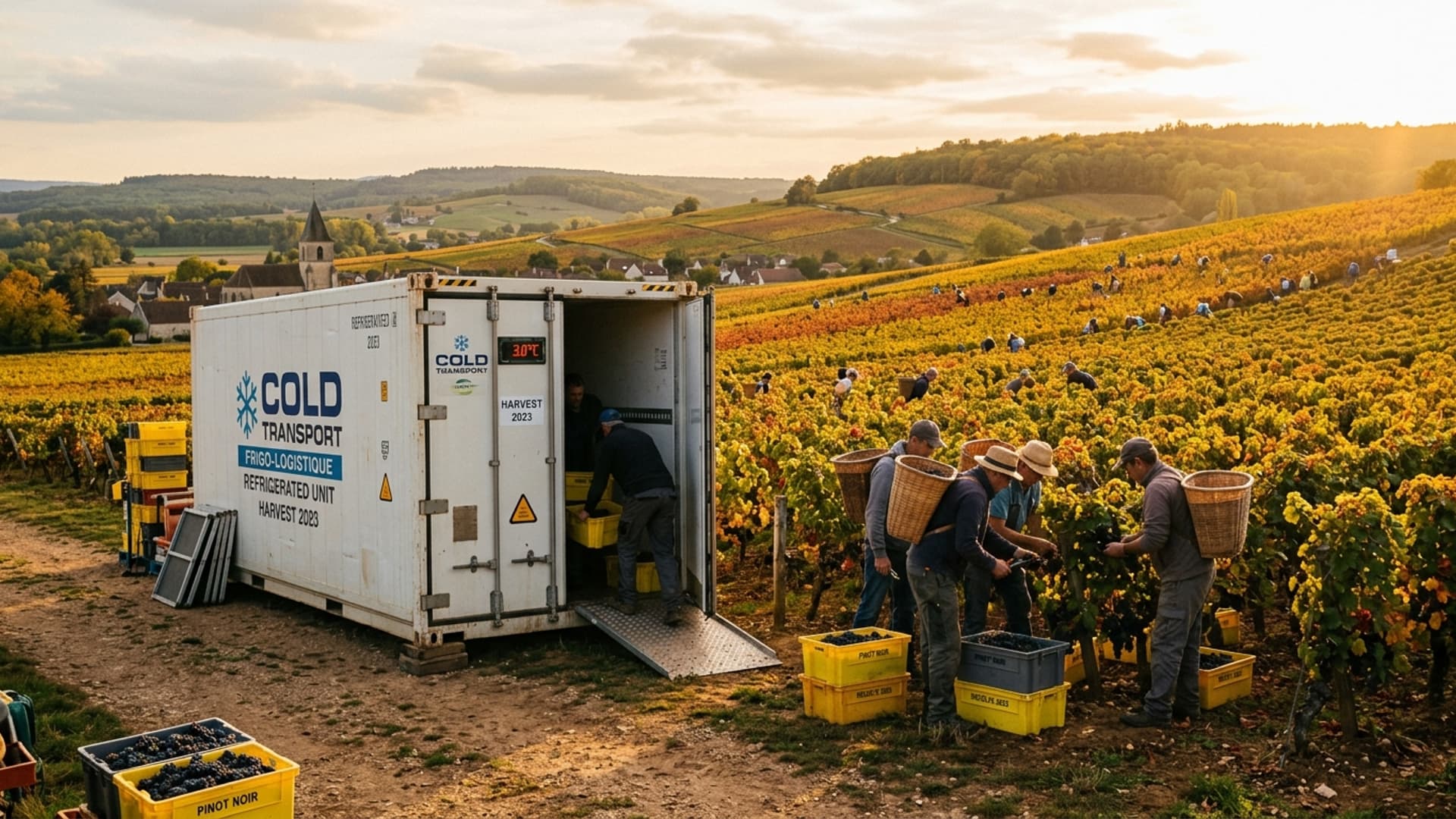
Harvest Cold Chain
Grape, fruit, fresh vegetable, dairy products: the 20-foot reefer covers 33 m³ of refrigerated storage. Short-term seasonal rental is very common (6-8 weeks).
Dry Harvest Storage
Hay, straw, cereals, potatoes: 20 or 40 ft dry containers with ventilation. Protection against moisture and theft. Investment that pays off in 3-5 seasons.
Inputs and phytos
Fertilisers, key-controlled phytosanitary products, spreading equipment. Anti-intrusion container + ventilation + retention tank = regulatory compliance for classified products.
The agricultural calendar of shipping containers
- January-March — quiet period. Rent now = best rates, maximum availability. Good time to install a spare container before the high season.
- April-June — construction demand rising but agricultural still quiet. Prepare reservations for the high season.
- July-August — cereal harvests, straw and hay storage. High dry container demand, reefer availability.
- September-October — national peak reefer period (harvest + autumn fruits). Book 6-10 weeks in advance absolutely, otherwise stock shortage guaranteed.
- November-December — after harvests, the market relaxes. Mass returns.
Frequently Asked Questions — Agriculture Sector
What is the demand for reefer containers during grape harvesting?+
September-October, the national reefer market peaks: vineyards require refrigerated containers to store grapes between harvest and pressing, or must before fermentation. Reserve 6-10 weeks in advance, otherwise stock may be depleted. Short-term rate (6-8 weeks): £1,680 – £2,940/month for a 20-foot reefer.
Can hay or straw be stored in a dry container?+
Yes, it is even an excellent practice: protection against rain, security against theft, separation of fire risks. Be cautious with ventilation — a sealed container can cause condensation. Open periodically, or install air grilles. Some suppliers offer 'agricultural' containers with integrated ventilation.
Container for livestock farming (chickens, beekeeping, etc.)?+
Usage on the rise. A standard 20-foot container insulated serves as a secure chicken coop, mobile beehive, cheese-making workshop or animal shelter. Transformation budget £8,400 – £26,250 depending on fit-out and ventilation. Main advantage: anti-predator, movable with pasture rotations.
Is permission required to place a container on a farm?+
In agricultural zones (A) of the PLU, construction is normally prohibited EXCEPT if linked to farming operations. A container for harvest storage, agricultural equipment or intermediate office may be authorised with prior declaration. Consult your town hall and the prefecture's agriculture service — rules vary greatly by department.
And for storing agricultural inputs (fertilisers, pesticides)?+
The steel shipping container is ideal for securing phytosanitaires (reinforced closure, resistant to intrusions, compliant with storage under lock obligations). Note: Some products require mandatory ventilation and an internal retention tray. The supplier can adapt the container (ventilation grid + retention tray £525 – £1,575 extras).
Anticipate the grape harvest and other crops
5 quotes from reefer and dry agricultural specialists.